
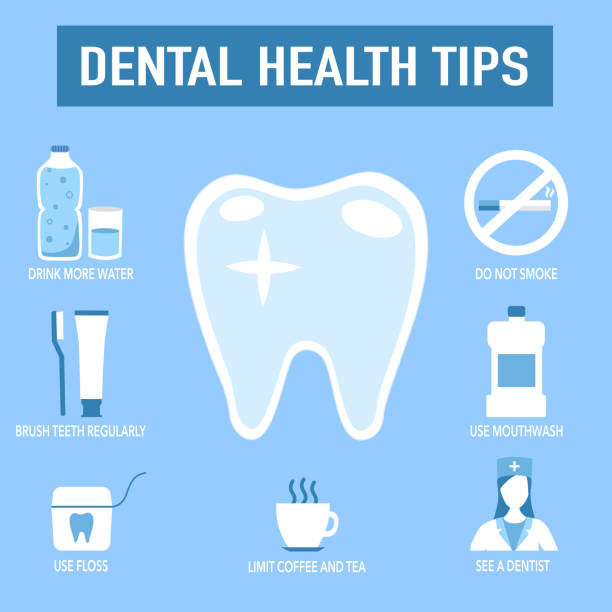
Taking care of your oral health and hygiene has never been more important than it is right now. With limited access to dental professionals, your smile depends almost entirely on what you do at home. The good news? Maintaining healthy teeth and gums doesn’t require fancy tools or complicated techniques. It starts with oral health care tips, consistency, and a simple oral hygiene routine that fits into everyday life. From brushing and flossing to mindful eating and toothbrush care, these tips for good oral hygiene and tips for dental health can help protect your teeth, gums, and overall well-being—without ever leaving home. Think of oral hygiene at home as your personal defense system against cavities, gum disease, and long-term dental issues.
Understanding Oral Health and Hygiene
Oral health and hygiene go far beyond having white teeth or fresh breath. They refer to the complete care of your teeth, gums, tongue, and entire mouth. When we talk about dental and oral hygiene, we’re really talking about preventing bacteria from building up and causing damage. Every time you eat, tiny food particles linger in your mouth. If they aren’t removed properly, they mix with bacteria and form plaque—a sticky film that attacks tooth enamel and irritates gums.
What many people don’t realize is that poor oral hygiene doesn’t stay confined to the mouth. Harmful bacteria can enter the bloodstream through inflamed gums, increasing the risk of systemic conditions such as heart disease and diabetes. That’s why following proper oral hygiene steps daily is not optional—it’s essential. Good oral hygiene is like routine maintenance for a car. Ignore it long enough, and small issues turn into expensive, painful problems.
Why Oral Health Is More Than Just a Smile
Your mouth is the gateway to your body. When oral health declines, the rest of your body often follows. Studies have shown strong links between gum disease and chronic inflammation, which can worsen cardiovascular conditions and weaken immune response. Healthy gums help keep harmful bacteria out of your bloodstream, while strong enamel protects your teeth from decay and sensitivity.
Beyond physical health, oral hygiene also impacts mental and social well-being. Pain, bad breath, or visible dental issues can affect confidence and communication. Maintaining a simple oral hygiene routine supports not just your smile, but your quality of life as a whole.
The Importance of Oral Health Care Tips at Home
When regular dental visits aren’t possible, your daily habits matter more than ever. Oral hygiene at home becomes your first and best line of defense. By following proven oral health care tips, you can prevent cavities, reduce plaque buildup, and keep gum disease at bay. The goal isn’t perfection—it’s consistency.
At-home care also helps prevent dental emergencies. Toothaches, infections, and broken teeth often start as minor issues that could have been avoided with proper care. A few minutes a day spent brushing, flossing, and rinsing can save you hours of discomfort later.
How a Simple Oral Hygiene Routine Builds Lifelong Habits
A simple oral hygiene routine is easier to stick to and more effective over time. Complicated routines often lead to burnout, while simple habits become automatic. Brushing twice a day, flossing once, and being mindful of your diet are small actions with huge payoffs.
For families, establishing oral hygiene routines early helps children develop lifelong habits. When kids see oral care as a normal part of daily life—like washing hands—it becomes second nature rather than a chore.
Tip 1: Clean Your Toothbrush Properly
Your toothbrush is your most important oral hygiene tool, yet it’s often overlooked. A dirty toothbrush can reintroduce bacteria into your mouth, undoing all your hard work. Proper toothbrush care is one of the most underrated tips for good oral hygiene.
Before and after brushing, always wash your hands thoroughly. Rinse your toothbrush under hot water to remove toothpaste residue and food particles. Let it air-dry upright—never store it in a closed container where moisture can breed bacteria.
How to Clean and Disinfect Your Toothbrush at Home
Disinfecting your toothbrush doesn’t require special products. You can soak it in antibacterial mouthwash, a baking soda solution, or water with a denture-cleaning tablet. These methods help kill germs without damaging bristles. Doing this once a week is enough to maintain hygiene.
Avoid using dishwashers or microwaves to clean toothbrushes, as excessive heat can damage the bristles and reduce effectiveness. Clean tools lead to cleaner teeth—simple as that.
Common Toothbrush Mistakes to Avoid
Never share toothbrushes, even with family members. Store brushes separately to prevent cross-contamination. And don’t forget to replace your toothbrush regularly, which we’ll discuss later. A neglected toothbrush is like washing your hands with dirty water—it defeats the purpose.
Tip 2: Follow the 2×2 Rule for Brushing
The 2×2 Rule is one of the most effective oral health care tips out there: brush for two minutes, twice a day. It sounds simple, yet many people rush through brushing or skip sessions entirely. Those extra seconds matter more than you think.
Brushing removes plaque before it hardens into tartar, which can only be removed by a professional. Morning brushing clears away bacteria that accumulate overnight, while nighttime brushing prevents plaque from feeding on food particles as you sleep.
Correct Brushing Techniques for Better Teeth Health
If you’re using a manual toothbrush, hold it at a 45-degree angle toward your gums and use gentle circular motions. Scrubbing aggressively can damage enamel and irritate gums. Electric toothbrush users should let the brush do the work, moving it slowly from tooth to tooth.
Don’t forget often-missed areas like the back molars and along the gumline. Proper technique transforms brushing from a routine task into a powerful preventive tool.
Making Brushing Fun for Kids and Adults
Turn brushing into something enjoyable. Play music, use a timer, or create family brushing challenges. For kids, making brushing fun builds positive associations that last a lifetime. Even adults benefit from reminders—consistency is easier when brushing doesn’t feel like a chore.
Tip 3: Stick to a Consistent Oral Hygiene Routine
When daily schedules change, oral care is often the first habit to slip. But consistency is the backbone of good oral health. Even if you’re home all day, maintaining a regular simple oral hygiene routine is essential.
Brushing at the same times each day reinforces habit formation. Think of oral care as non-negotiable, like eating or sleeping. Skipping one day may seem harmless, but plaque builds quickly.
The Role of Flossing in Dental and Oral Hygiene
Flossing is the unsung hero of dental and oral hygiene. Your toothbrush cleans about 60% of tooth surfaces. The remaining 40%—between teeth—requires floss. Plaque trapped there leads to gum inflammation and cavities.
Flossing once a day removes debris before it hardens and irritates gums. It also reduces the risk of periodontal disease, which has been linked to heart disease and other systemic conditions.
Simple Oral Hygiene Steps You Should Never Skip
Never skip nighttime brushing or flossing. Saliva production decreases while you sleep, allowing bacteria to thrive. Adding just two minutes of flossing can make a dramatic difference in your oral health.
Tip 4: Limit Sugary Foods and Acidic Drinks
Diet plays a massive role in oral health. Sugary snacks and acidic beverages feed harmful bacteria and weaken enamel. Even drinks like juice, tea, and coffee can contribute to tooth erosion over time.
Acid attacks enamel, softening it and making teeth vulnerable to cavities. When combined with sugar, the damage accelerates. Being mindful of what you consume is one of the smartest tips for dental health.
How Tooth Erosion Happens
Tooth erosion occurs when acids repeatedly strip away enamel. Once enamel is gone, it doesn’t regenerate. This leads to sensitivity, discoloration, and cavities. Rinsing your mouth with water after acidic drinks helps neutralize acids and protect enamel.
Smart Snacking for Better Dental Health
Choose snacks like cheese, nuts, vegetables, and yogurt, which support saliva production and neutralize acids. If you indulge in sweets, brush and floss afterward. Balance—not deprivation—is the key to sustainable oral health.
Tip 5: Know When to Change Your Toothbrush
Using an old toothbrush is like cleaning your floor with a worn-out mop—it just doesn’t work. Dentists recommend changing your toothbrush or electric brush head every three months. Frayed bristles don’t clean effectively and harbor bacteria.
If you’ve been sick, replace your toothbrush immediately to avoid reintroducing germs into your mouth. This is especially important during times when health risks are elevated.
Signs It’s Time for a New Toothbrush
If bristles are bent, discolored, or splayed, it’s time for a replacement. Even if it looks fine, bacteria build up over time. Fresh tools lead to better results.
Special Care During Illness
Dispose of toothbrushes used during illness and avoid storing them near others. Small precautions can protect your family’s health.
Additional Oral Health Care Tips for Home
Don’t forget your tongue—it harbors bacteria that cause bad breath. Gently cleaning it with a toothbrush or tongue scraper improves overall hygiene. Mouthwash can also help reduce bacteria, but it should complement—not replace—brushing and flossing.
Hydration and Saliva Production
Drinking water supports saliva production, your body’s natural defense against cavities. Staying hydrated keeps your mouth cleaner and healthier.
Creating a Simple Oral Hygiene Routine That Lasts
A sustainable routine includes morning brushing, nighttime brushing, daily flossing, and mindful eating. Keep tools visible as reminders. For families, brushing together reinforces accountability.
Oral Hygiene Steps for Families
Teach kids early, model good habits, and make oral care a shared activity. Consistency today builds healthier smiles tomorrow.
Conclusion
Maintaining strong oral health doesn’t require perfection—just consistency. By following these oral health care tips, practicing a simple oral hygiene routine, and being mindful of daily habits, you can protect your smile even when professional care isn’t immediately available. These tips for good oral hygiene and tips for dental health empower you to take control of your oral well-being from home, one brush and floss at a time.
If you need more help with your dental health, please consult us at Navadia Dental Clinic.