
Knowing when to change oral care products, when to change your toothbrush, and when to change oral care accessories is one of the most overlooked parts of daily oral hygiene. Many people focus on brushing twice a day but forget that worn-out tools can’t clean properly and may even spread bacteria. Your toothbrush, electric brush head, and other oral care accessories don’t last forever—and using them past their prime can quietly affect your teeth, gums, and overall oral health. Understanding the right time to replace these everyday tools helps you maintain a cleaner mouth, fresher breath, and healthier smile with very little extra effort.
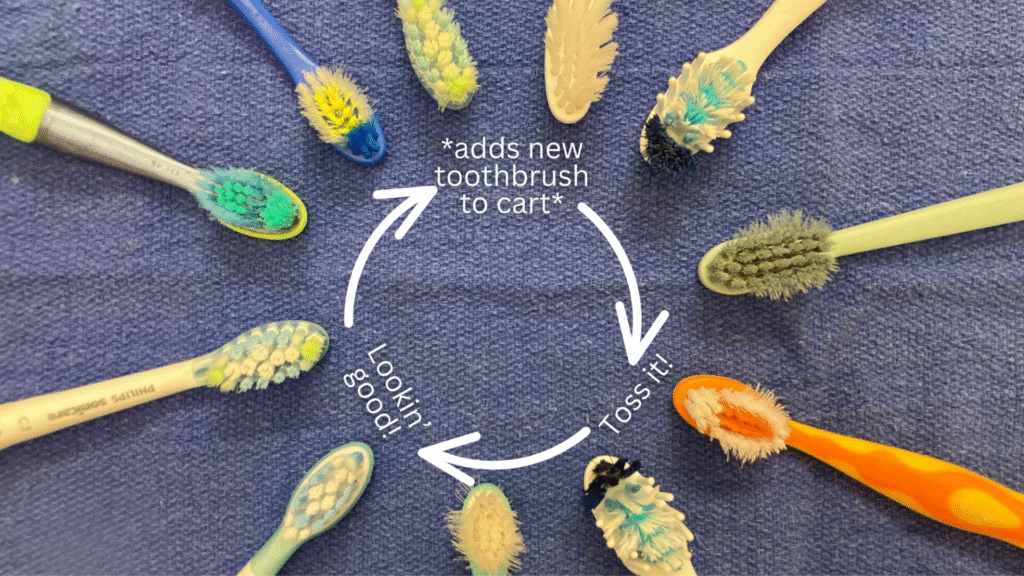
When to Change Toothbrush?
Most dentists agree on one rule:
👉 Change your toothbrush every 3 months
Over time, bristles bend, fray, and lose their cleaning power. A worn toothbrush can’t remove plaque effectively and may irritate your gums.
Change it sooner if:
- Bristles are frayed or flat
- You brush hard
- You dropped it on the floor
- It smells or looks discolored
Why Change Your Toothbrush Every 3 Months?
After about 12 weeks:
- Bristles lose stiffness
- Bacteria builds up
- Cleaning effectiveness drops
Using an old toothbrush is like washing dishes with a dirty sponge—it looks fine, but it doesn’t really clean.
How Often Should You Change Your Electric Toothbrush Head?
✔️ Every 3 months, same as a manual toothbrush
Electric toothbrush heads wear out just as fast, sometimes faster because of the rapid movement.
Change sooner if:
- The indicator bristles fade
- You brush more than twice a day
- You press too hard
How Often Should You Change Your Toothbrush Head (Electric)?
- Standard use: every 3 months
- Heavy brushing: every 2 months
- Orthodontic use (braces): every 6–8 weeks
Worn electric heads reduce vibration efficiency and plaque removal.
How Often Should You Change Your Toothbrush with Braces?
If you wear braces, change your toothbrush:
👉 Every 6–8 weeks
Braces cause bristles to bend faster and trap food and bacteria more easily. A worn brush won’t reach around brackets properly.
How Often Should You Change Your Toothbrush When You Are Sick?
Always replace your toothbrush:
- After recovering from flu, cold, COVID-19, strep throat, or infections
Germs can stay on the bristles and cause reinfection. If you’re sick for more than a week, change it during illness and again after recovery.
How Often Should You Change Your Toothbrush (NHS Guidelines)?
According to the NHS:
- Replace your toothbrush every 3 months
- Replace it after illness
- Replace it if bristles are worn
These guidelines apply to both adults and children.
When to Change Oral Care Products Besides Toothbrushes
- Floss: Use once, discard after each use
- Interdental brushes: Replace every 1–2 weeks
- Mouthwash: Check expiry date
- Toothpaste: Replace when expired or contaminated
When to Change Your Brush: Quick Signs
Change your brush if:
- Bristles are bent or splayed
- It’s older than 3 months
- You’ve been sick
- It doesn’t feel effective anymore
Conclusion
Knowing when to change your toothbrush and oral care accessories is one of the easiest ways to protect your teeth and gums. A fresh brush cleans better, reduces bacteria, and keeps your mouth healthier with zero extra effort. Set a reminder every three months—it’s a small habit with big benefits. If you need any help come visit us at Navadia Dental Clinic.