
Tooth decay is cause for serious concern, not just for adults but for children as well. Many parents still believe dental problems start later in life, but the reality is very different. Tooth decay symptoms can appear at a very young age, and understanding the reasons for tooth decay early can help parents take action before permanent damage occurs. Knowing how to treat tooth decay and how to prevent it should be a priority for every family.
Tooth decay is one of the most common chronic dental conditions worldwide. It affects children, teenagers, adults, and seniors alike. This article explains what is tooth decay, how tooth decay happens, early warning signs, tooth decay stages, and practical steps on how to stop tooth decay from spreading and protect long-term oral health.
What Is Tooth Decay and Why Does It Happen?
What Is Tooth Decay?
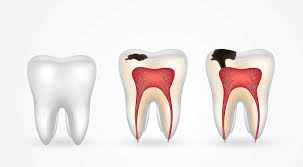
Tooth decay meaning refers to the gradual destruction of the tooth’s outer surface (enamel) caused by acids produced by bacteria. Many people ask tooth decay why it happens so frequently. The simple answer is bacteria, sugar, and poor oral hygiene working together.
Tooth decay is caused by plaque bacteria that feed on sugars from food and drinks. As bacteria digest sugar, they release acids. Tooth decay starts when the pH of the mouth is lowered below a safe level (around pH 5.5). This acidic environment, known as tooth decay pH, weakens enamel and leads to mineral loss.
How Tooth Decay Happens
Understanding how tooth decay occurs helps in prevention. When teeth are not cleaned properly, plaque builds up. Over time, repeated acid attacks break down enamel. This explains how tooth decay happens and why brushing, flossing, and diet play such a major role.
Tooth decay vs cavity is a common confusion. Tooth decay is the overall process, while a cavity is the visible hole formed after decay progresses. If ignored, tooth decay is dangerous and can lead to infection, pain, and tooth loss.
Tooth Decay Symptoms and Early Warning Signs
Tooth Decay Symptoms Children May Feel
Recognizing tooth decay symptoms early can prevent serious damage. Children may not always explain their discomfort clearly, so parents should listen carefully if kids mention:
- Sensitivity to hot or cold food and drinks
- Sharp or dull tooth pain
- Pain while chewing
- An unpleasant taste in the mouth
These are common tooth decay symptoms that indicate early-stage decay. When enamel breaks down, nerve endings become exposed, leading to sensitivity and pain.
Tooth Decay Symptoms Parents Can See
Parents often notice signs before children complain. Visible tooth decay symptoms include:
- White, brown, or black spots on teeth
- Bad breath caused by bacterial buildup
- Bleeding or inflamed gums
- Swelling around affected teeth
These signs often indicate progressing tooth decay stages and should never be ignored.
Tooth Decay Stages: From Early Damage to Severe Infection
Early Tooth Decay Stages
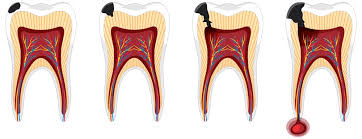
The first stage of tooth decay involves enamel demineralization. At this point, how to reverse tooth decay may still be possible with fluoride, improved oral hygiene, and dietary changes.
Advanced Tooth Decay Stages
If untreated, decay spreads deeper into the tooth. Dentin damage causes increased pain, and infection can reach the pulp. This is where tooth cavity effects, such as abscesses and swelling, begin to appear.
Advanced decay highlights tooth decay effects on mouth, including gum infection, bad breath, and difficulty eating. Long-term neglect can cause tooth decay effects on general health, such as infections spreading to other parts of the body.

Reasons for Tooth Decay in Children and Adults
Tooth Decay Reasons
There are several reasons for tooth decay, including:
- Poor brushing and flossing habits
- High sugar and acidic food intake
- Dry mouth or reduced saliva
- Skipping regular dental checkups
These are common tooth decay reasons seen in both kids and adults.
Reasons for Tooth Decay in Adults
In adults, reasons for tooth decay in adults also include gum recession, old dental fillings, smoking, and certain medications. Ignoring early symptoms increases tooth decay side effects, such as chronic pain and tooth loss.
Tooth Decay Effects on Health
Tooth decay effects on health go beyond the mouth. Untreated decay can lead to:
- Tooth decay effect on gums (gingivitis and infections)
- Tooth cavity effects like abscess formation
- Difficulty eating and speaking
- Poor nutrition and low confidence
These tooth decay effects on general health make it clear why early detection and treatment are essential.
How to Prevent Tooth Decay Effectively
How to Prevent Tooth Decay Daily
Many parents ask, what is tooth decay how can you prevent it? Prevention starts with daily habits:
- Brush twice a day with fluoride toothpaste
- Floss once daily
- Limit sugary snacks and drinks
- Drink plenty of water
These steps address tooth decay reason and prevention together.
How to Stop Tooth Decay from Spreading
If early decay is detected, how to stop tooth decay from spreading includes professional fluoride treatments, dental sealants, and strict oral hygiene routines. Early action prevents the need for complex procedures later.
How to Treat Tooth Decay and Fix It
How to Treat Tooth Decay
How to treat tooth decay depends on its stage. Early decay may be managed with fluoride and improved care. Moderate decay requires fillings, while severe cases may need root canal treatment or extraction.
How to Fix Tooth Decay
Patients often ask how to fix tooth decay permanently. Professional tooth decay treatment from a dentist is the only reliable solution. Home remedies cannot repair advanced decay, but they can support prevention.
Can You Reverse Tooth Decay?
Many wonder how to reverse tooth decay. Only very early enamel damage can be reversed with fluoride and lifestyle changes. Once a cavity forms, dental treatment is necessary.
Conclusion
Tooth decay is cause for concern at every age, but it is also largely preventable. Understanding what is tooth decay, recognizing tooth decay symptoms, knowing the reasons for tooth decay, and learning how to treat tooth decay empowers parents and individuals to take timely action. From early warning signs to advanced treatment options, awareness is the key to protecting your smile and overall health.
If you suspect any signs of tooth decay or are unsure about your oral health, scheduling a dental checkup early can save you from pain, complications, and long-term damage. Book your appointment at Navadia Dental Clinic, Surat.